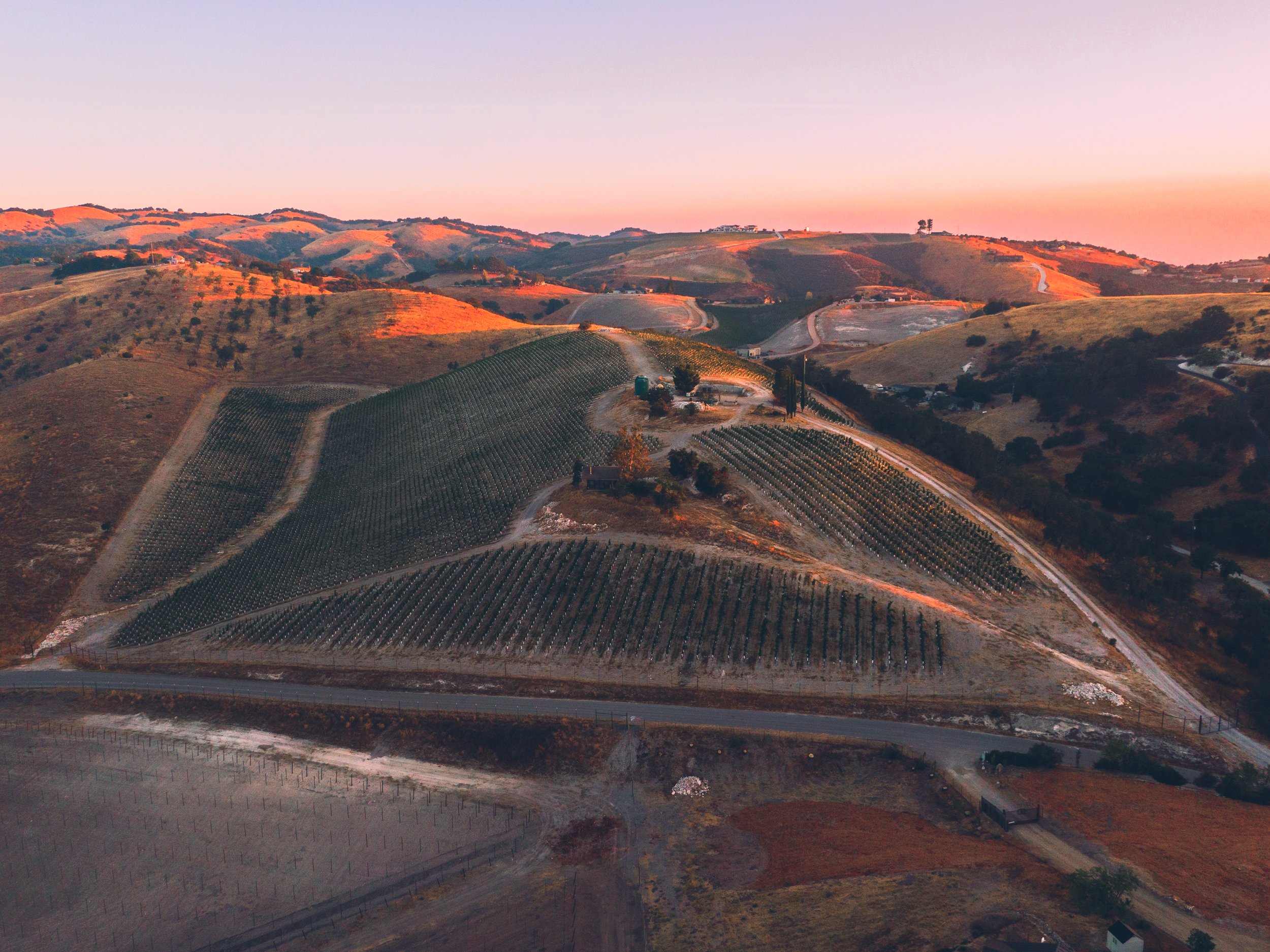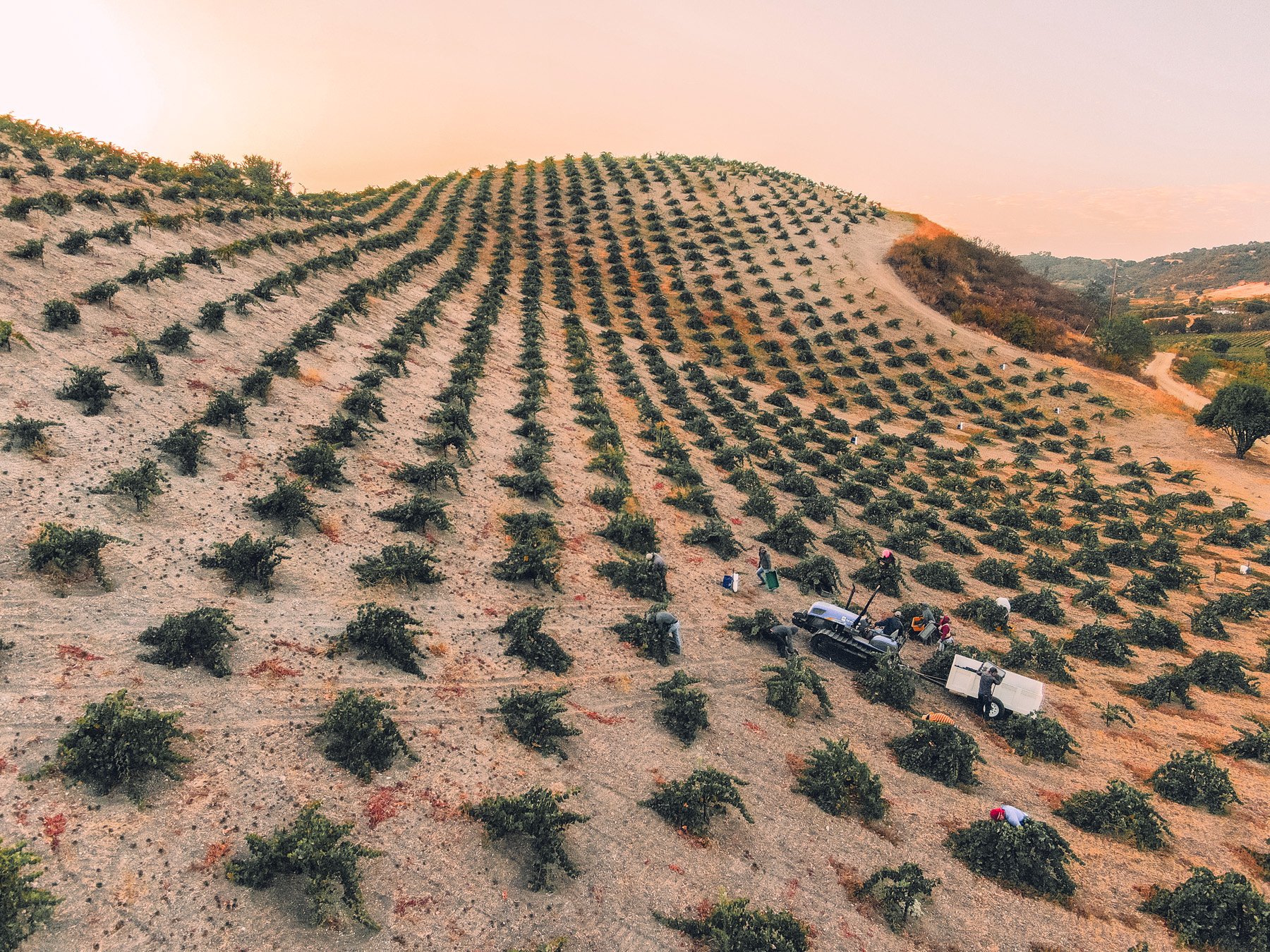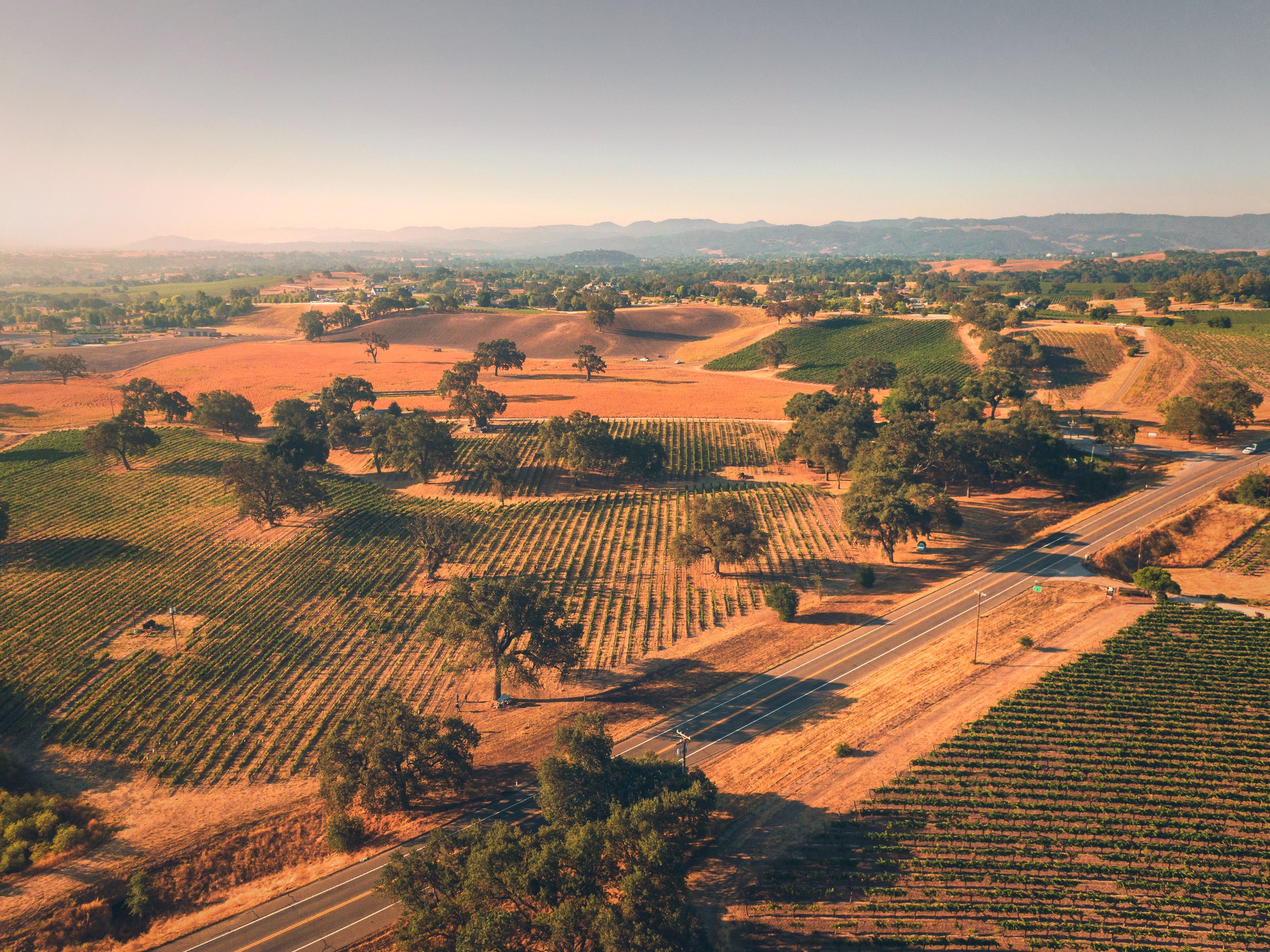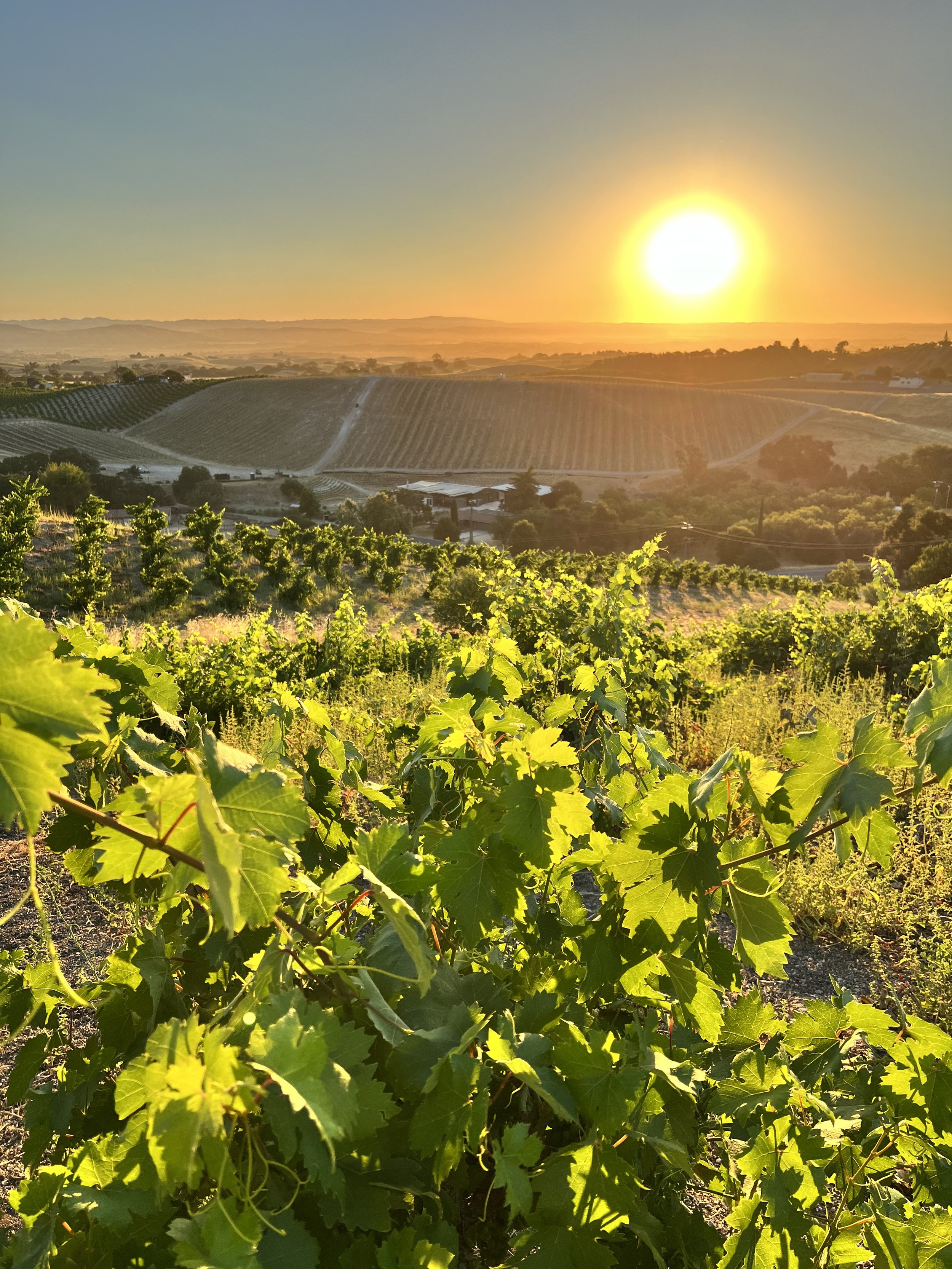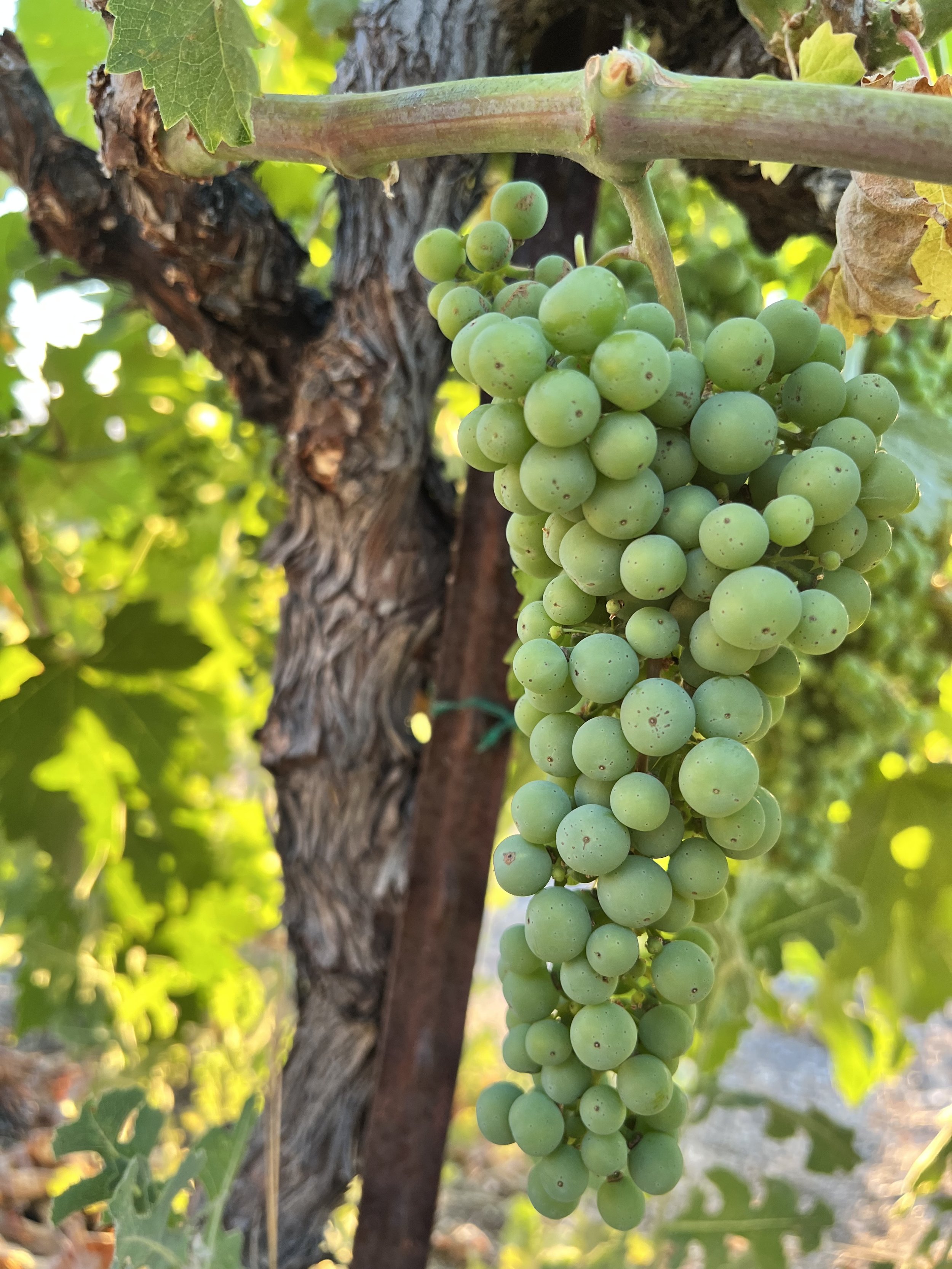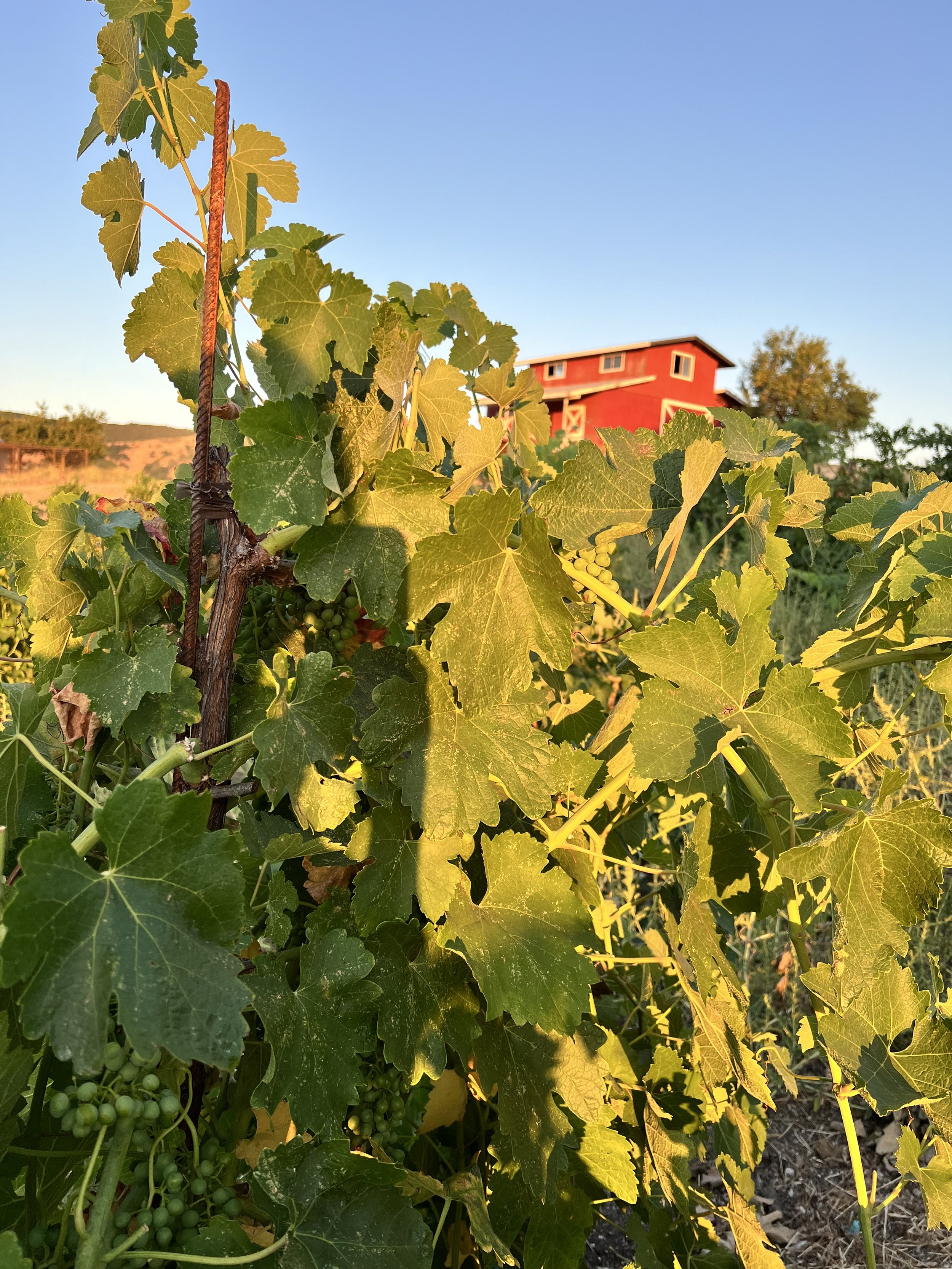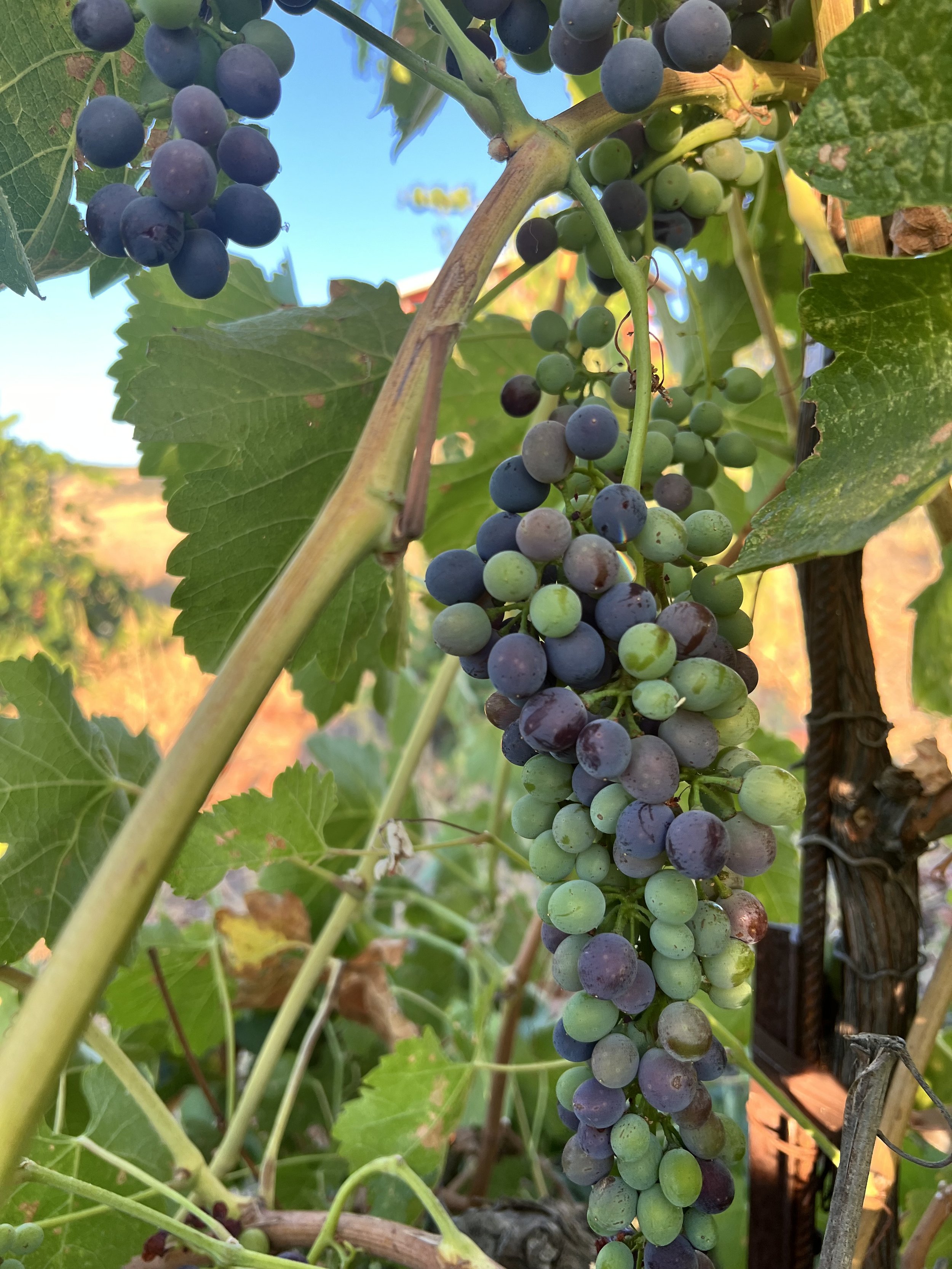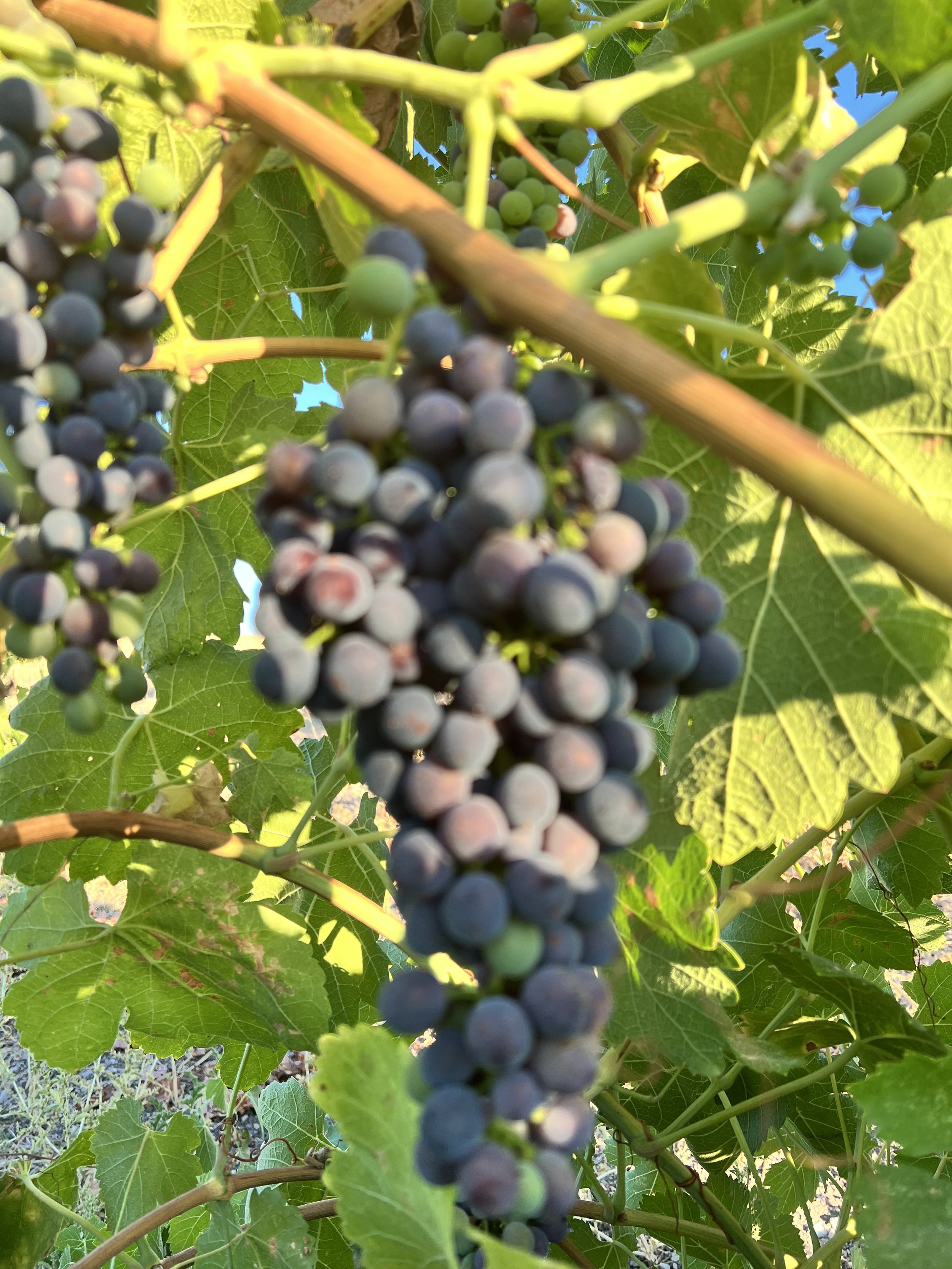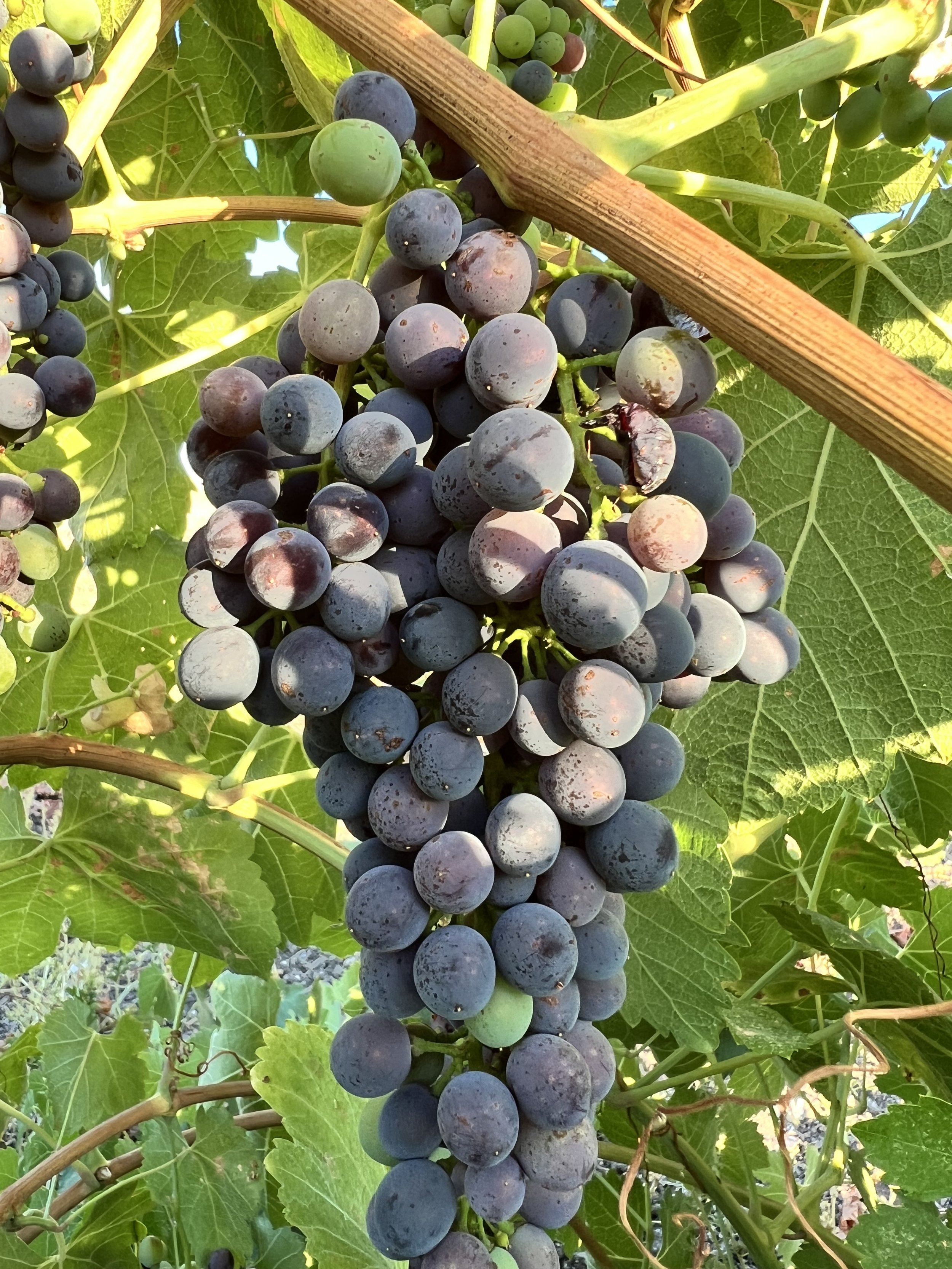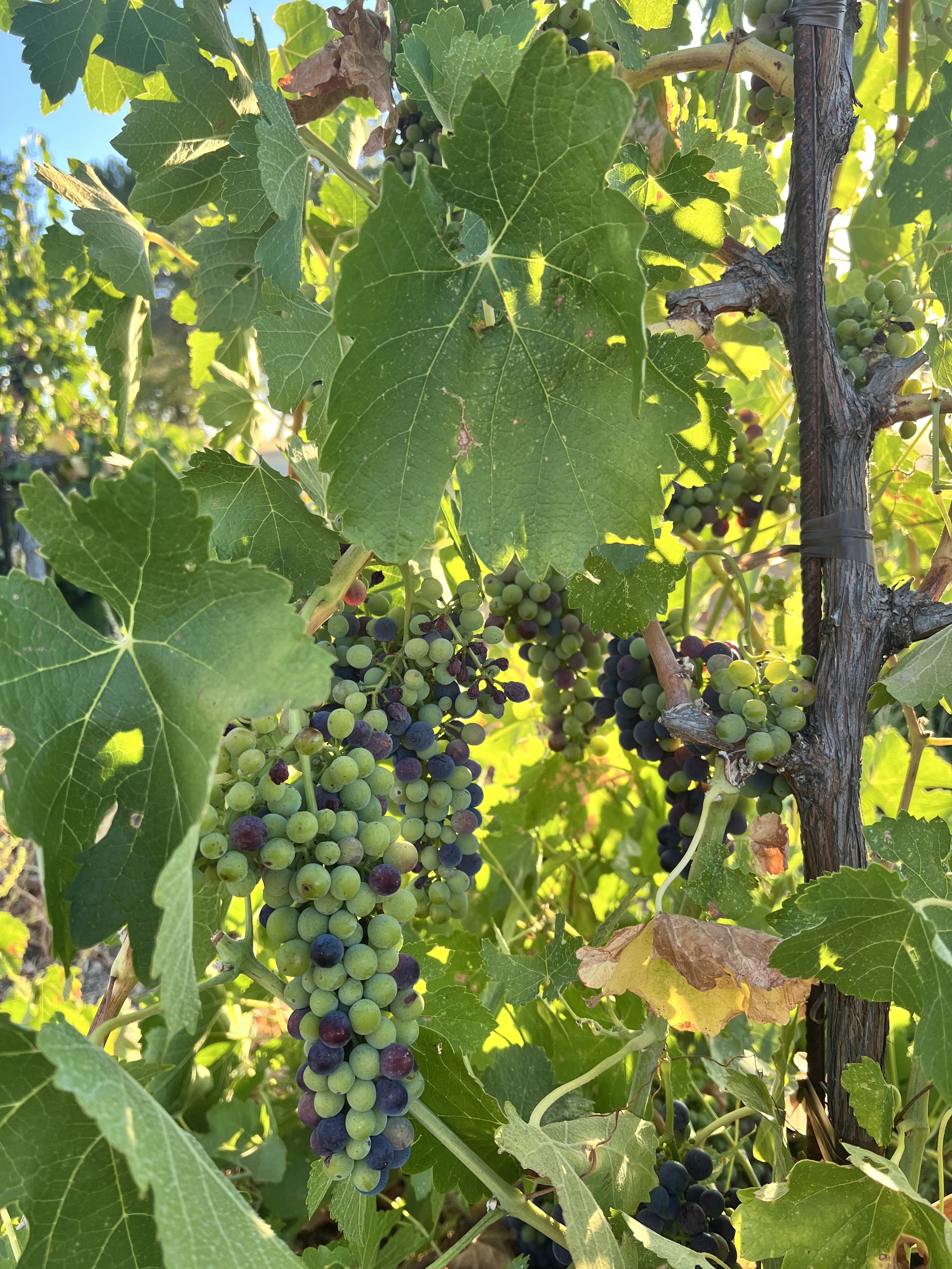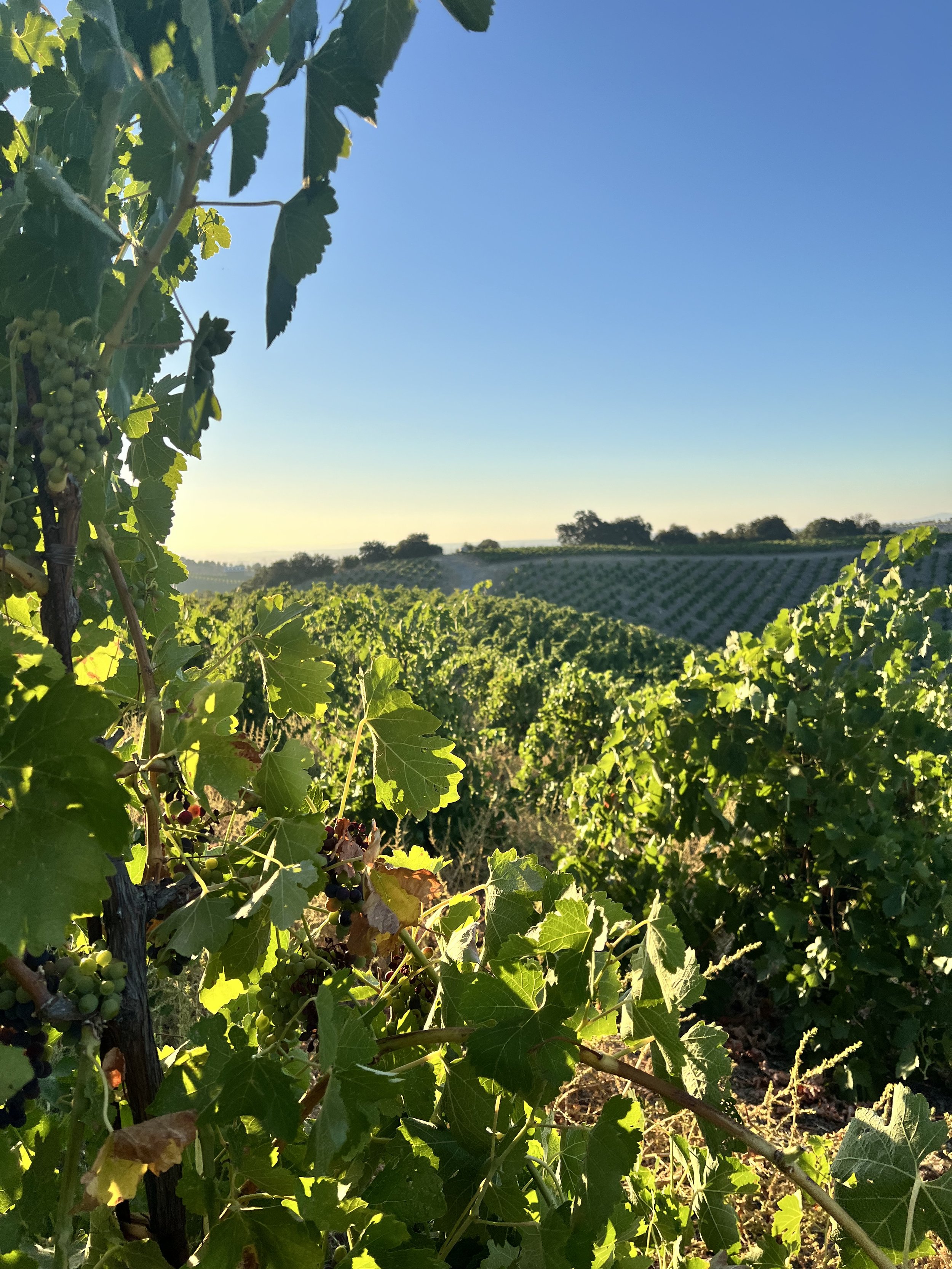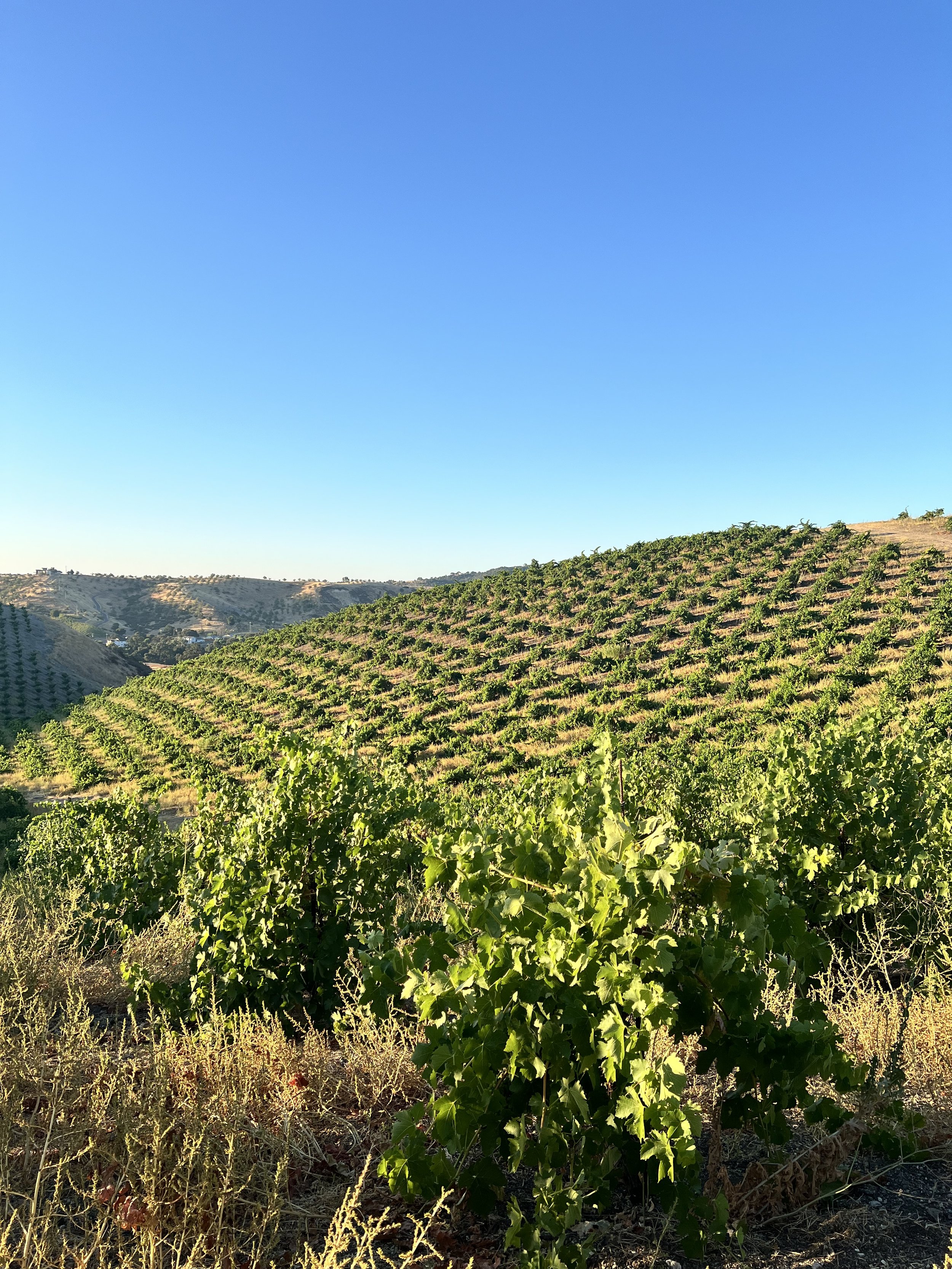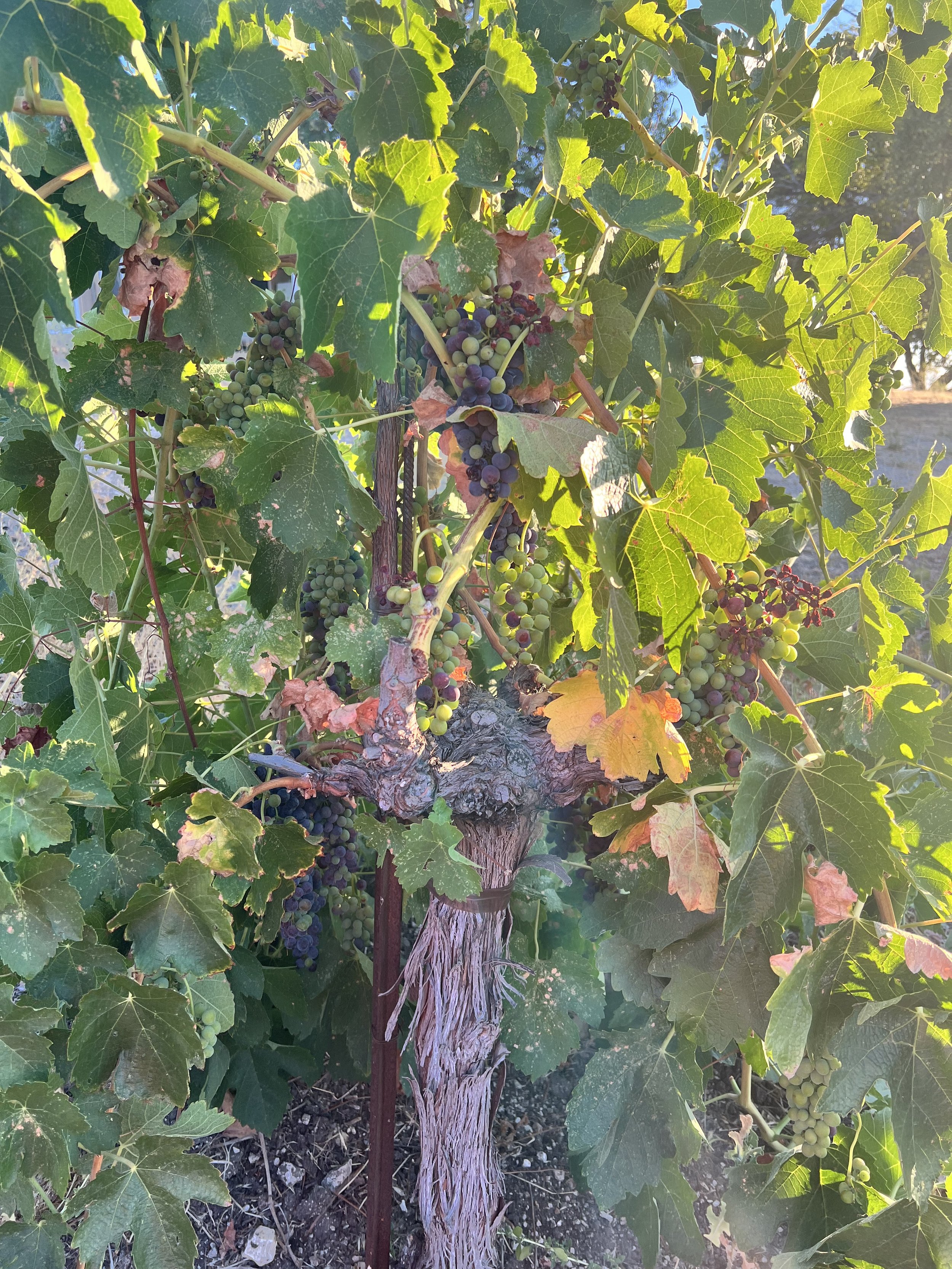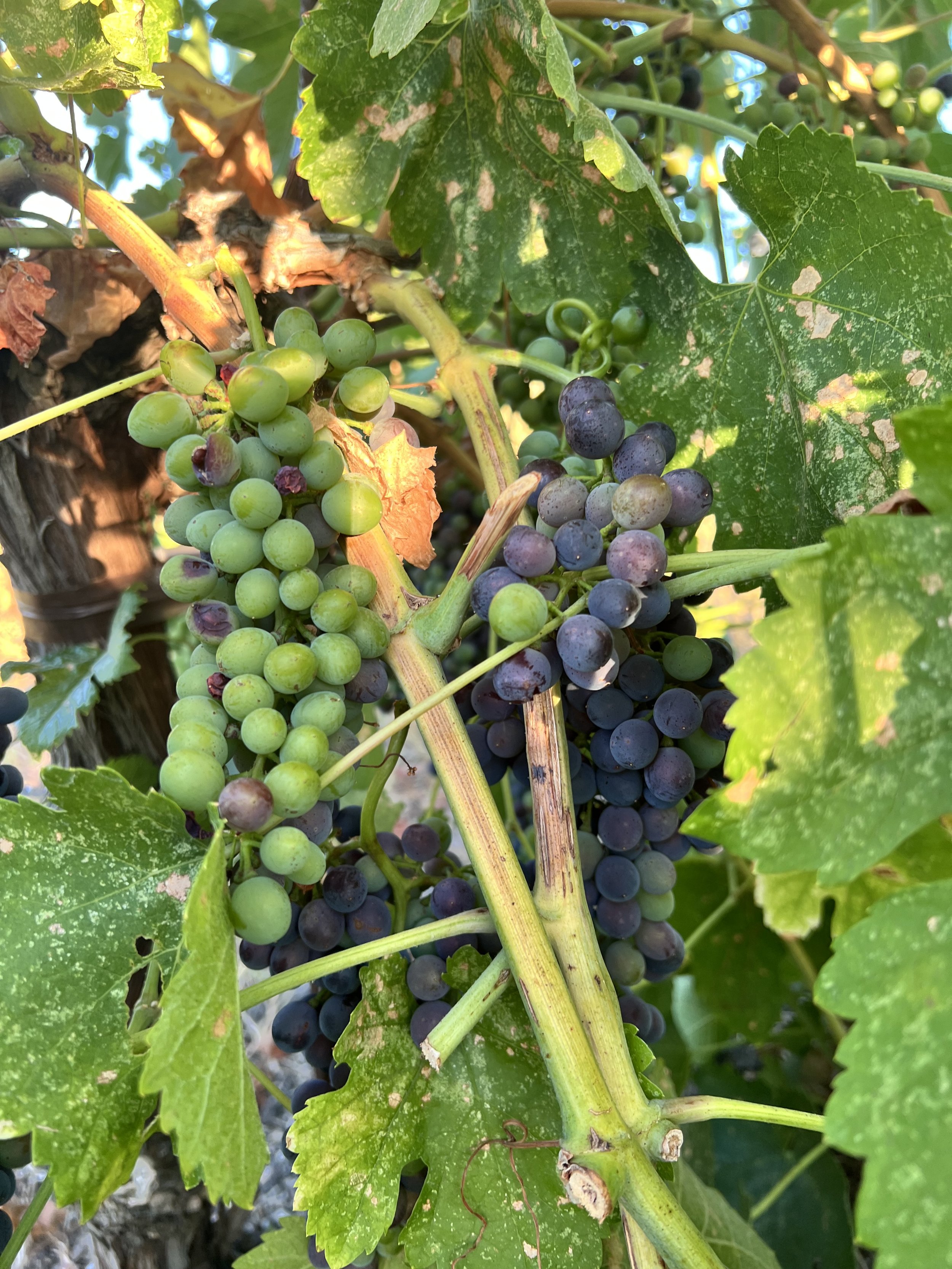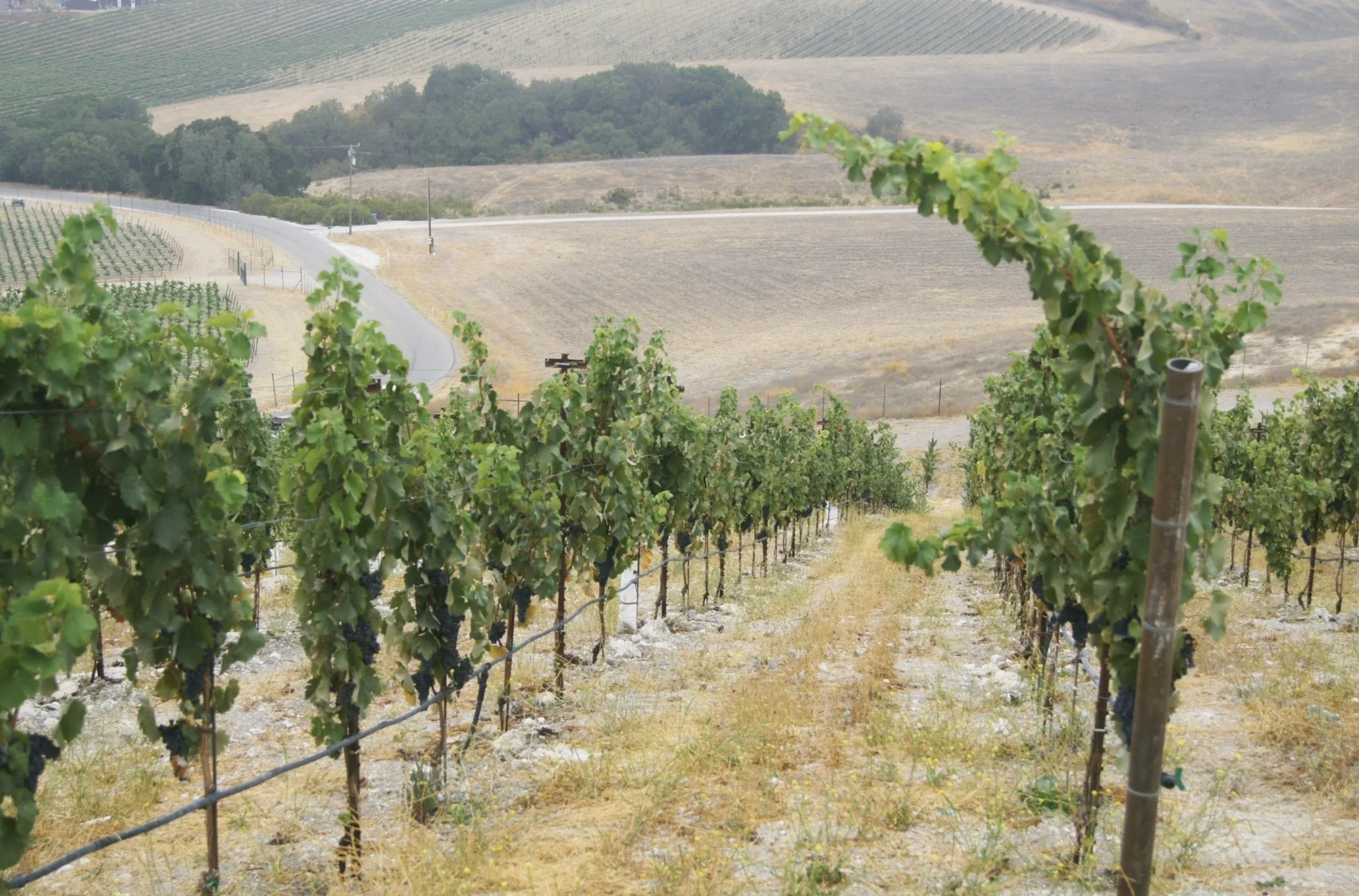
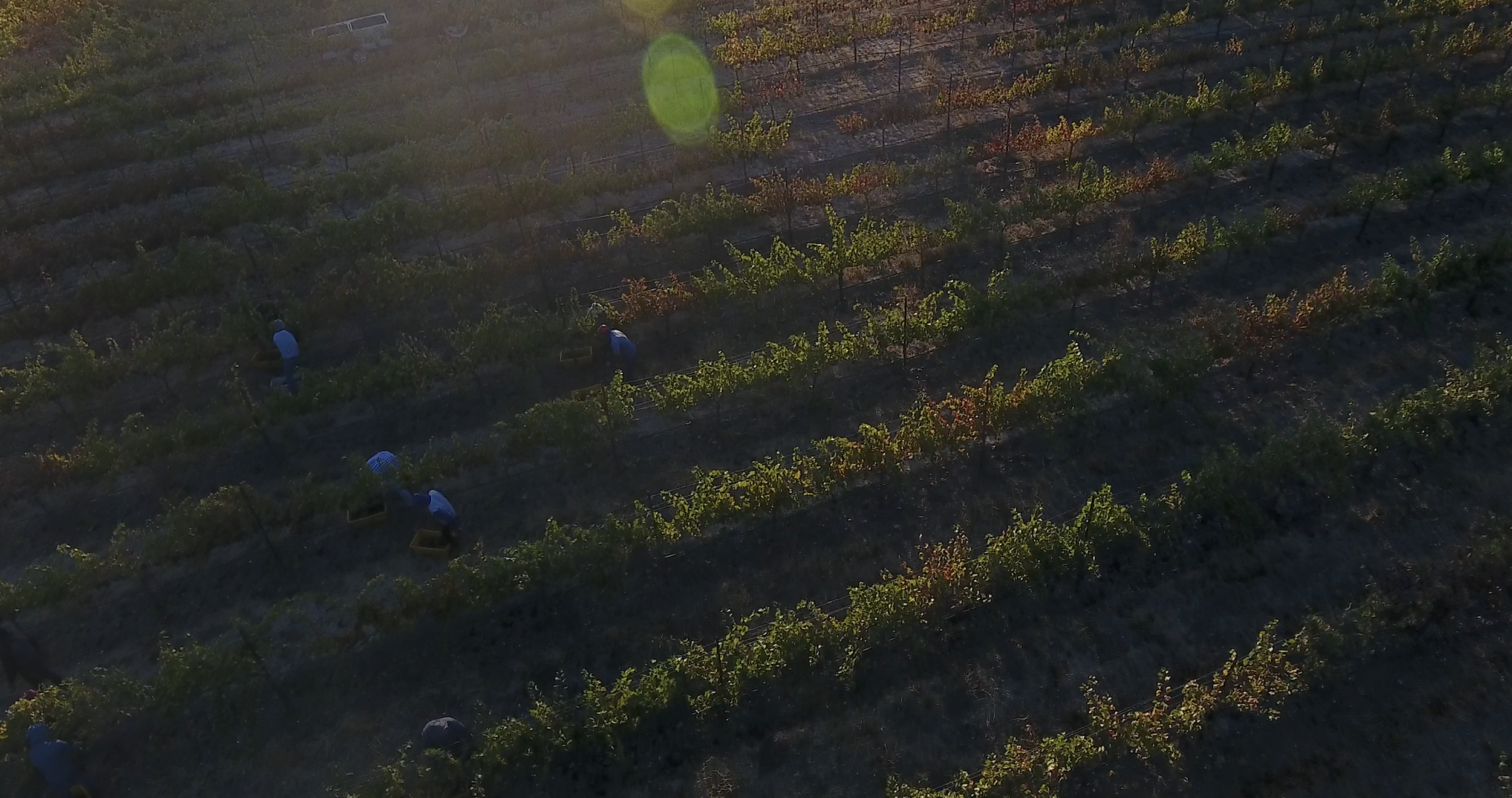
Peachy Canyon farms four estate vineyards on the west side of Paso Robles. While these vineyards are all relatively close to each other, they range widely in terms of soil, aspect, exposure, rainfall and temperature. This allows our winemaking team to showcase the stunning range of Paso Robles' microclimates.
-
Mustang Springs Estate is our home ranch vineyard that surrounds our winery structures. At 55.7 acres, it is also our largest vineyard. Read more>>
-
Snow Vineyard vines make for low yields and high quality fruit. This vineyard requires a lot of work because it is hand pruned and hand picked. Read more>>
-
This vineyard has the complete opposite growing conditions than the Snow Vineyard and is what makes the Old Schoolhouse unique. This vineyard lies within the Templeton Gap which has a large coastal influence that greatly impacts the growing season. Read more>>
-
9.82 acres planted including: Zinfandel, Grenache, Syrah, Mourvedre, Carignane & Petite Sirah. This vineyards steep slopes were planted in 2019. Read more>>
Peachy Canyon's vineyards are farmed using sustainable practices. We compost all byproducts from the winery and reintroduce it to our soils every other year. In spring we mow and in fall we plant cover crops made up of oats, vetch, and legumes in between vine rows. During the growing season we use aggressive canopy management practices to minimize the risk of mildew which in turn reduces our need to spray. Weed control is done mostly by hand.
Water conservation is a huge factor in sustainable farming as well. Peachy Canyon strategically waters each vineyard block throughout the growing season allowing us to maximize the quality of the fruit, minimize water waste and reduce runoff. An added bonus to the water conservation program is that it reduces our use of electricity, another factor in sustainable farming. Pests are managed by introducing beneficial insects such as ladybugs, lacewings, and praying mantis. We spray organic stylet oil to manage our leaf hoppers, (the most common insect pest in our growing area). Nets are used to keep birds from consuming our crops, and traps are used to control gopher populations.